
What Are Use of System Charges?
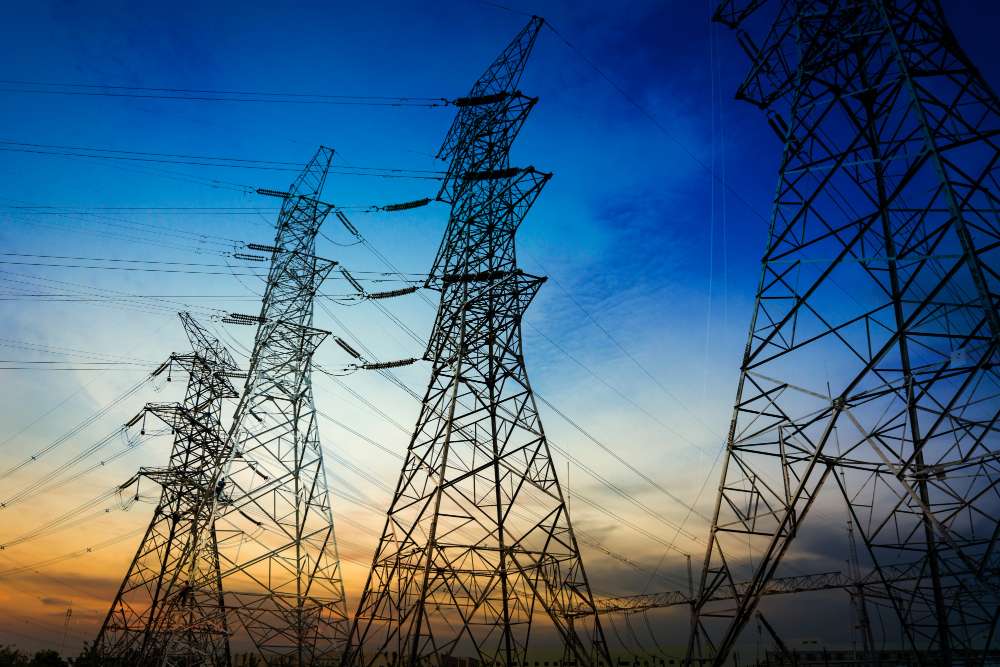
Use of System charges reflect the cost of building, maintaining, and operating the UK electricity network. They are broadly split into two components:
Distribution Use of System (DUoS) – charges applied by local Distribution Network Operators (DNOs).
Transmission Network Use of System (TNUoS) – charges related to the national high-voltage transmission network.
Together, these charges can account for a substantial proportion of a business electricity bill, particularly for high-demand or half-hourly metered sites.
What Is Technically Changing?
Recent and upcoming changes to UoS charges are not simply price rises. They reflect a shift in how network costs are recovered.
Key developments include:
- Higher residual charges
More network costs are now recovered through fixed or semi-fixed charges, reducing the proportion linked directly to consumption.
- Reduced benefit of off-peak usage
Historically, businesses could lower costs by shifting demand to off-peak periods. Increasing standing and residual charges mean these strategies now deliver diminishing returns for many sites.
- Greater emphasis on capacity and peak demand
DUoS charges are increasingly influenced by:- Agreed supply capacity
- Time-of-use bands (such as red, amber, and green periods)
- Maximum demand during network stress periods
This means that how and when electricity is used is often more important than total annual consumption.
Which Businesses Are Most Exposed?
Businesses most likely to feel the impact include:
- Half-hourly metered sites
- Operations with high daytime or early evening demand
- Businesses with oversized capacity agreements
- Multi-site portfolios where small inefficiencies multiply

In many cases, organisations are paying for network capacity they no longer need or actively use.
Practical Steps Businesses Can Take
While UoS charges cannot be eliminated, they can be managed with the right technical understanding:
- Analyse half-hourly data to identify demand spikes and exposure to peak charging periods
- Review agreed capacity levels to ensure they reflect actual operational requirements
- Align contract structures with realistic usage patterns, not historic assumptions
- Incorporate network charges into procurement decisions, rather than focusing solely on unit rates
These actions often deliver savings without requiring major operational change.
Why Technical Insight Matters
Energy costs are no longer driven purely by commodity prices. Network charging methodology, regulatory reform, and infrastructure investment now play a defining role.
At Volt Solutions, we help businesses interpret the technical detail behind their bills, translating complex charging structures into clear, actionable strategy. This allows our clients to forecast costs accurately, avoid unnecessary charges, and make informed energy decisions.
Looking ahead
As the UK electricity system continues to evolve, network charges will remain a growing part of business energy costs. Understanding them early and managing them proactively is now essential.
At Volt Solutions, we help customers better understand their energy usage and manage costs more effectively. Contact us to learn more