
Introduction
Over the last few years, Europe’s energy landscape has undergone a significant transformation. As traditional pipeline gas supplies have become less reliable, Liquefied Natural Gas (LNG) has emerged as a vital component of Europe’s energy security strategy.
For businesses monitoring energy costs, understanding LNG’s growing role can provide valuable insight into the factors influencing wholesale gas and electricity prices.
What Is LNG?
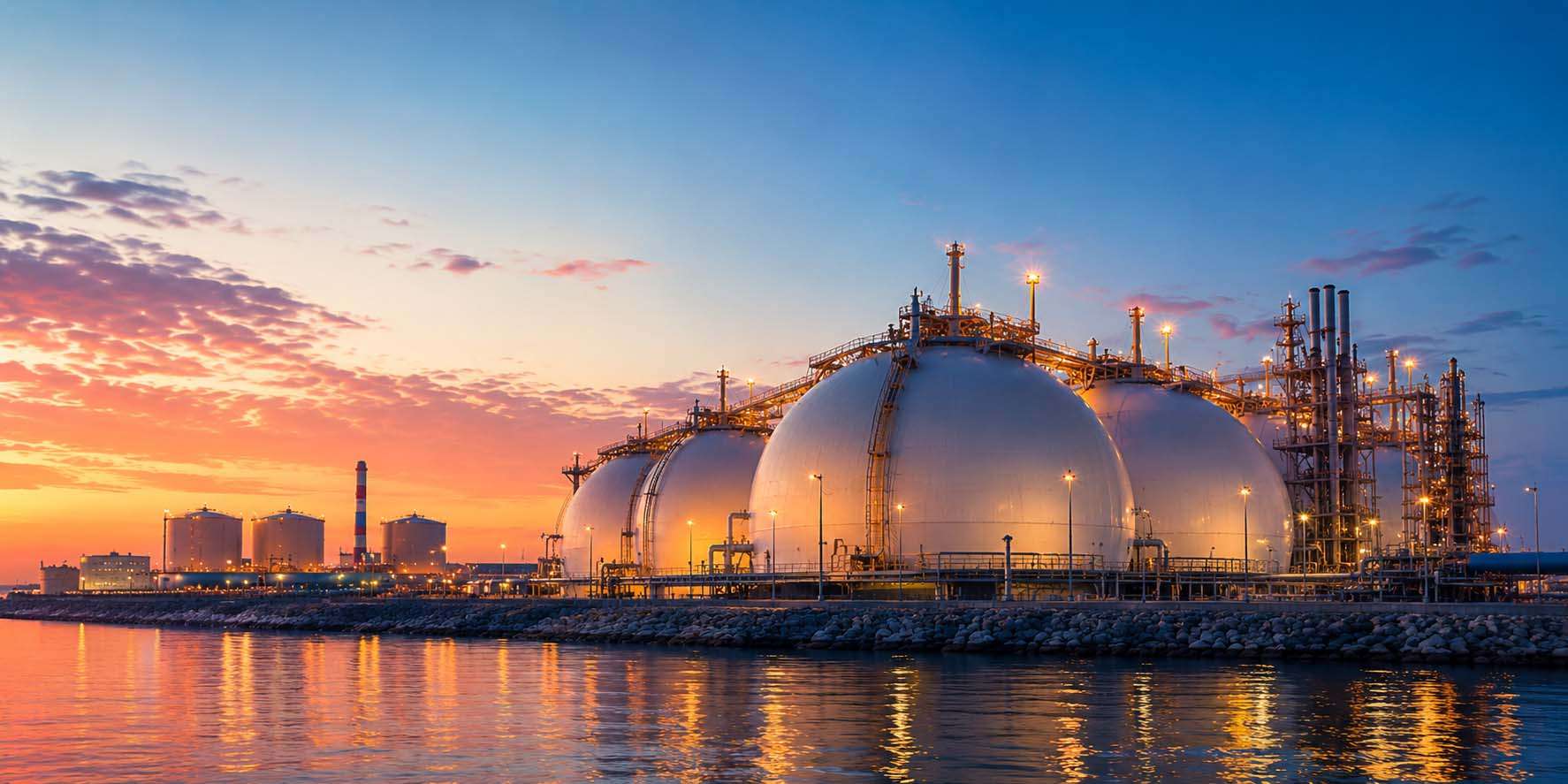
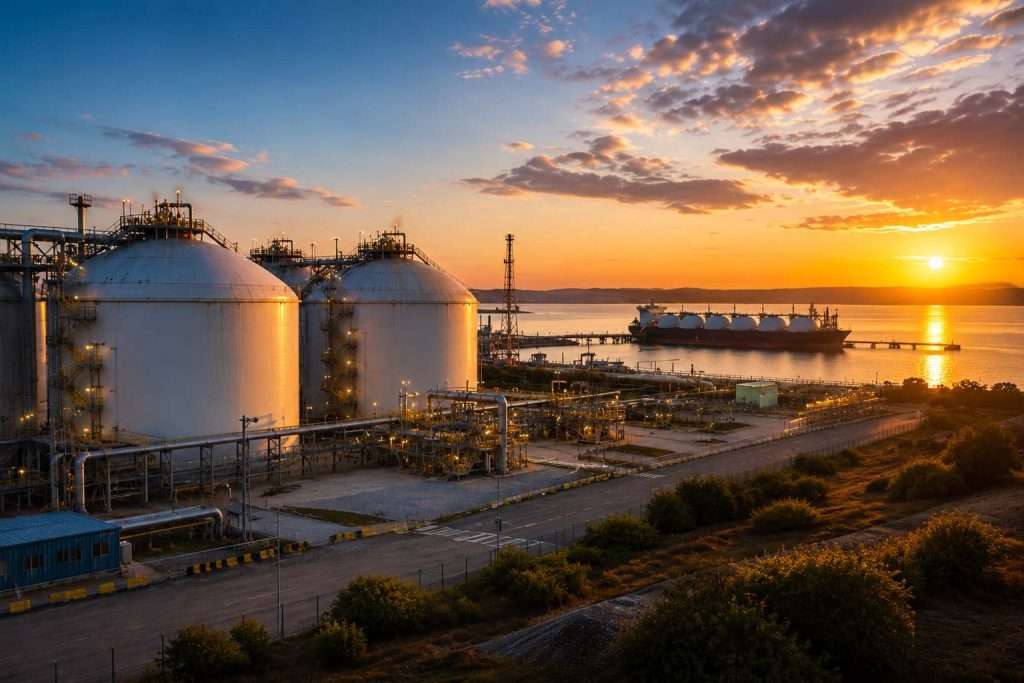
Liquefied Natural Gas (LNG) is natural gas that has been cooled to approximately -162°C, turning it into a liquid. This process reduces its volume significantly, making it easier and more cost-effective to transport by specialised tanker ships. Once it reaches its destination, LNG is converted back into gas and injected into national gas networks for homes, businesses and power generation.
Why Europe Has Increased Its Reliance on LNG
Historically, Europe received a substantial portion of its gas supply through pipeline imports.
However, geopolitical developments and changing supply dynamics have encouraged many European nations to diversify their energy sources.
LNG provides flexibility because supplies can be sourced from multiple exporting countries, helping reduce dependence on any single supplier. According to the International Energy Agency (IEA), LNG’s share of the EU’s total gas supply increased from 23% in 2020 to around 40% in 2024.
Major LNG exporters now include:
- United States
- Qatar
- Australia
The United States exported 11.9 billion cubic feet (~337,000,000 cubic metres) per day of LNG in 2024, maintaining its position as the world’s largest LNG exporter. The diversification, however, has become a key pillar of Europe’s energy security strategy.
How LNG Supports European Gas Storage
In our recent article on European gas storage levels, we highlighted the importance of maintaining healthy reserves ahead of winter. LNG plays a critical role in filling those storage facilities. The IEA reported that Europe increased LNG imports by more than 20% year-on-year in Q1 2025 as countries sought to refill storage facilities and offset lower pipeline imports.
During periods of lower demand, imported LNG can be injected into storage sites across Europe, helping build reserves that can be drawn upon when consumption increases during colder months. Without strong LNG imports, achieving high storage levels would be considerably more challenging.
The Global Competition for LNG
One important characteristic of LNG is that it operates within a global marketplace.
Unlike pipeline gas, LNG cargoes can often be redirected to whichever region offers the most attractive pricing. This means European gas prices are increasingly influenced by global demand patterns. Europe is expected to import a record 185 billion cubic metres (bcm) of LNG in 2026, surpassing the previous record of 175 bcm in 2025, according to the IEA.
For example:
- Strong demand from Asian economies can increase competition for LNG cargoes.
- Extreme weather events can rapidly alter global consumption patterns.
- Supply disruptions at export facilities can affect availability worldwide.
As a result, energy markets have become more interconnected than ever before.
What This Means for UK Businesses
Although the UK has its own energy infrastructure, it remains closely connected to wider European and global energy markets. Changes in LNG supply and demand can influence wholesale gas prices, which in turn affect electricity costs and business energy contracts.
Businesses should therefore monitor not only domestic energy developments but also wider international market trends. Factors such as LNG import levels, storage performance and global demand can all contribute to price volatility.
Europe’s LNG imports are forecast to remain near all-time highs due to stronger storage injection needs and reduced pipeline gas supplies.
Looking Ahead
LNG is likely to remain a cornerstone of Europe’s energy security strategy for the foreseeable future. Continued investment in import terminals, storage infrastructure and supply diversification will help strengthen resilience against future market disruptions. For businesses, understanding the growing influence of LNG can provide valuable context when evaluating energy procurement decisions and planning for future market conditions.
Speak to Volt Solutions today to ensure your energy strategy is resilient, informed, and aligned with the realities of changing energy landscapes.
References
United States LNG exports – U.S. Energy Information Administration (EIA)
QatarEnergy LNG official website
Australia LNG exports – Australian Government Future Gas Strategy
International Energy Agency – Global LNG Capacity Tracker